Community Healthcare Access: The Unsung Heroes Who Keep Care Within Reach


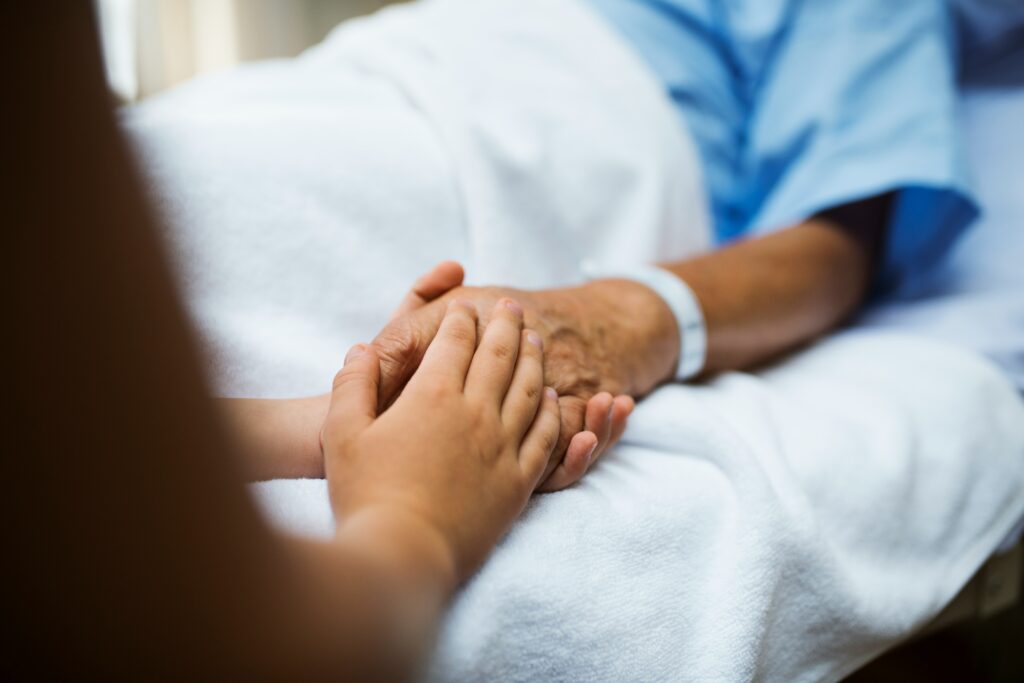
Community healthcare access is one of the most important parts of a strong and healthy society. It means people can get the care they need close to home, at a price they can manage, and in a way they understand. For many families, this access can make the difference between early care and a health problem that grows worse.
Not every person lives near a large hospital. Not every person has easy transportation, steady income, paid time off, or health insurance. Some people also face language barriers, fear, or confusion about where to go for help. This is why community healthcare access is so valuable. It brings care closer to the people who need it most.
Behind this care are many unsung heroes. They may not always wear white coats. They may not appear in news stories or hospital ads. Yet their work helps families stay safe, informed, and connected to care.
Community Health Workers Build Trust
Community health workers are often the bridge between patients and the healthcare system. They may live in the same neighborhoods they serve. They understand local needs, local concerns, and local challenges. This makes their role very powerful.
A community health worker may help someone schedule a doctor visit, understand a treatment plan, or apply for health coverage. They may explain how to take medicine, where to find food support, or when to seek urgent care. These simple steps can prevent bigger problems later.
Trust is a major part of community healthcare access. Many people feel nervous when dealing with clinics, forms, bills, or medical terms. A trusted guide can make the process feel less scary. When people trust the person helping them, they are more likely to ask questions and follow care advice.
Local Clinics Serve as Lifelines
Local clinics are often the first place people turn when they need help. These clinics may offer checkups, vaccines, screenings, mental health support, dental care, and basic treatment. They serve children, adults, seniors, and people who may not have other care options.
For many patients, a local clinic is more than a medical office. It is a lifeline. It gives people a place to go before a health issue becomes an emergency. It also helps reduce pressure on hospitals, because patients can get care earlier.
Community healthcare access depends on these clinics staying open, staffed, and connected to local needs. A clinic that knows its community can respond faster. It can offer services that match real problems, such as diabetes care, prenatal support, flu shots, or help for high blood pressure.
Nurses Keep Care Moving
Nurses play a key role in community healthcare access. They answer questions, check symptoms, give vaccines, explain care steps, and comfort patients. Many nurses also notice problems that others may miss.
A nurse may see that a patient cannot afford medicine. Another nurse may learn that an older adult has no ride to follow-up visits. These details matter. They shape the kind of care a person can truly receive.
Nurses often turn a rushed visit into a human moment. They listen. They explain. They make sure patients understand what comes next. This support can help people feel seen and respected.
Outreach Teams Bring Care to the Community
Some people do not walk into clinics on their own. They may not know care is available. They may feel ashamed, afraid, or unsure. Outreach teams help close this gap.
These teams may visit schools, churches, shelters, community centers, farms, or apartment buildings. They may offer health education, screenings, vaccines, or referrals. Their work brings community healthcare access directly to places where people already gather.
Outreach can be especially helpful for people who face hard life conditions. This may include people without stable housing, seniors who live alone, new immigrants, or workers with long hours. When care comes closer, more people can use it.
Interpreters Make Care Clear
Good healthcare depends on clear communication. When patients cannot fully understand medical advice, they may miss important steps. They may take medicine the wrong way, skip care, or leave a visit confused.
Medical interpreters help patients and providers understand each other. They do more than translate words. They help protect meaning, tone, and trust. Their work supports safer care and better decisions.
Language access is a major part of community healthcare access. A person should not receive lower quality care because they speak a different language. Interpreters help make sure each patient can explain symptoms, ask questions, and understand choices.
Volunteers Fill Important Gaps
Volunteers often support community care in quiet but meaningful ways. They may drive patients to appointments, deliver meals, help at health fairs, make reminder calls, or support local wellness events.
These tasks may seem small, but they are not. A ride to a clinic can help someone keep a needed appointment. A reminder call can help a parent bring a child in for vaccines. A meal delivery can help a senior recover after an illness.
Community healthcare access is not only about doctors and buildings. It is also about support systems. Volunteers help make those systems stronger. They show that care is a shared responsibility.
Social Workers Help Solve Real-Life Barriers
Health is connected to daily life. A person may need medicine, but they may also need food, housing, safety, or transportation. Social workers help connect these needs.
A social worker may help a patient find rental support, apply for benefits, locate mental health care, or escape an unsafe home. They may also support families during illness, grief, or major life changes.
This work is vital because medical care alone cannot solve every problem. Community healthcare access improves when people receive support beyond the exam room. Social workers help patients face the life issues that affect their health every day.
Technology Helpers Support Modern Access
Healthcare now often includes online portals, phone apps, telehealth visits, and digital forms. These tools can be helpful, but they can also create new barriers. Not everyone has strong internet, a smartphone, or the skills to use online systems.
Technology helpers, front desk staff, and patient navigators often guide people through these tools. They may help patients set up accounts, join video visits, complete forms, or read test results.
Their role is becoming more important. Community healthcare access must include people who are not comfortable with technology. A system is only helpful when people can actually use it.
Honoring the People Behind Better Care
The unsung heroes of community healthcare access work in many roles. They include community health workers, nurses, clinic staff, interpreters, outreach teams, volunteers, social workers, and patient navigators. Each one helps remove barriers that keep people from care.
Their work may not always be loud or visible. Still, it changes lives. It helps a parent get care for a sick child. It helps a senior understand medicine. It helps a worker find a clinic after hours. It helps a family feel less alone.
Strong communities need strong healthcare access. That access does not happen by chance. It is built by people who show up, listen, guide, explain, and serve. When we honor these unsung heroes, we also support a healthier future for everyone.