Essential Emergency Medical Care Knowledge Every Community Needs


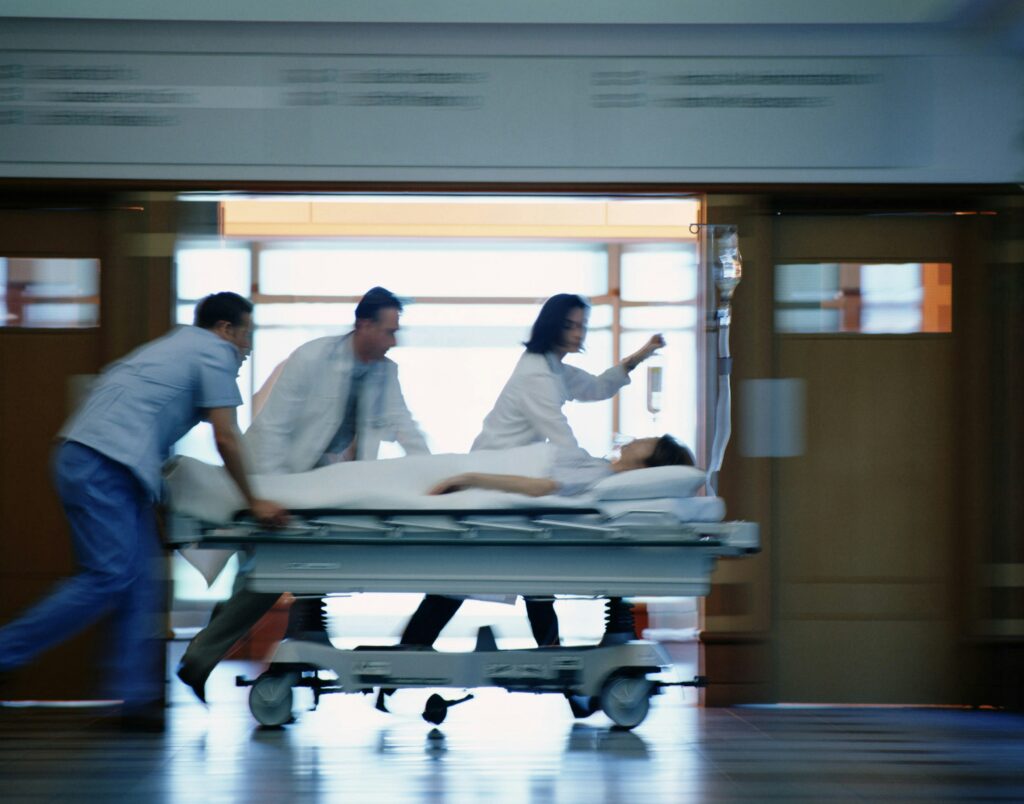
Emergency medical care plays a critical role in protecting lives during unexpected health situations. Accidents, sudden illnesses, and serious injuries can happen anywhere, and communities must understand how to respond effectively. When people know what steps to take during an emergency, they can reduce risks, support faster treatment, and improve patient outcomes.
A strong emergency care system depends on cooperation between healthcare professionals, emergency responders, and community members. While doctors and paramedics provide expert care, the public also has an important role in the first moments of a crisis. Therefore, learning basic emergency medical knowledge helps create safer and more prepared communities.
Understanding the Importance of Emergency Medical Care
Emergency medical care focuses on providing immediate support when someone faces a serious health problem. It helps stabilize patients, prevent conditions from becoming worse, and connect people with advanced medical treatment. Therefore, quick action during emergencies can make a major difference in recovery and survival.
Moreover, emergency care is not limited to hospitals and medical centers. It begins when someone recognizes a problem and takes action. A community that understands emergency response can help injured or ill individuals receive support before professional help arrives. As a result, public awareness becomes a valuable part of the healthcare system.
The Role of Emergency Responders in Community Safety
Emergency responders, including emergency medical technicians and paramedics, provide essential care during critical situations. They arrive quickly, assess patients, and deliver immediate treatment based on the situation. Therefore, their skills and fast decisions often influence the outcome of medical emergencies.
Additionally, emergency responders work closely with hospitals and other healthcare teams to ensure smooth patient care. They provide important information about a patient’s condition before the patient arrives at a medical facility. However, their success often depends on how quickly people contact emergency services and provide accurate details. Consequently, community cooperation supports more effective emergency response.
Why First Response Knowledge Matters
The first few minutes after an emergency can be extremely important. Basic knowledge of emergency response allows community members to provide support before professional help arrives. Therefore, learning simple safety practices can help people respond with confidence instead of panic.
Furthermore, first-response awareness encourages people to recognize the warning signs of serious conditions. Understanding when someone needs urgent medical attention can prevent delays in treatment. However, people should always seek professional help when facing serious situations. As a result, early action combined with expert care increases the chances of recovery.
Preparing Homes and Public Spaces for Emergencies
Prepared communities create safer environments by planning for possible emergencies. Homes, schools, workplaces, and public areas should have clear safety procedures and access to essential resources. Therefore, preparation helps people respond more effectively to unexpected situations.
Additionally, emergency planning helps reduce confusion during stressful moments. Families and organizations can discuss safety steps and ensure that important information is easy to access. However, preparation should remain simple and practical so that people can follow it during real emergencies. Consequently, awareness and planning improve community readiness.
Recognizing Common Medical Emergencies
Communities benefit from understanding common medical emergencies and their warning signs. Conditions such as severe injuries, breathing problems, allergic reactions, and sudden illnesses require quick attention. Therefore, recognizing these situations early can help people seek emergency care without unnecessary delays.
Moreover, understanding symptoms encourages people to take health concerns seriously. Some individuals may ignore warning signs because they believe a problem will improve on its own. However, delaying care can increase risks in serious situations. As a result, awareness helps people make safer decisions about emergency medical needs.
The Value of Emergency Communication
Clear communication is one of the most important parts of emergency care. When contacting emergency services, people should provide accurate information about the location, situation, and condition of the person in need of help. Therefore, effective communication helps responders arrive prepared.
Furthermore, calm communication can reduce stress during emergencies. People who provide clear details allow emergency teams to understand the situation more quickly. However, fear and confusion are common during crises, so preparation can make communication easier. Consequently, strong communication improves the overall emergency response process.
Supporting Vulnerable Members of the Community
Some people face greater challenges during medical emergencies. Older adults, individuals with disabilities, and people with ongoing health concerns may need additional support. Therefore, communities should prioritize the needs of vulnerable members when creating emergency plans.
Additionally, neighbors and community groups can play an important role in assisting in difficult situations. Strong community connections help ensure that people are not left without support during emergencies. However, support should always respect personal needs and privacy. As a result, compassionate communities create safer environments for everyone.
The Importance of Emergency Medical Education
Education helps communities become more prepared and confident during medical crises. Schools, workplaces, and local organizations can provide opportunities to learn about emergency safety and response. Therefore, ongoing education strengthens people’s ability to act effectively when help is needed.
Moreover, emergency medical education builds a culture of responsibility and awareness. When more people understand their role during emergencies, communities become more resilient. However, education should remain accessible and easy to understand for people of all backgrounds. Consequently, simple and consistent learning can create lasting benefits.
Building a Stronger Emergency Care Future
A strong emergency medical system requires cooperation between professionals and the public. Communities that understand emergency care can support faster responses and better health outcomes. Therefore, investing in awareness, preparation, and education creates long-term improvements in public safety.
Additionally, healthcare needs continue to change as communities grow and face new challenges. Emergency systems must continue improving through training, technology, and community involvement. However, the foundation of effective emergency care remains knowledge and cooperation. As a result, informed communities are better prepared to protect lives.
Emergency medical care is not only the responsibility of healthcare professionals. Every community member can contribute to safety by learning, preparing, and responding appropriately during critical moments. Understanding emergency care helps people make better decisions and provide meaningful support when it matters most.