What Communities Need to Know About Emergency Medical Care


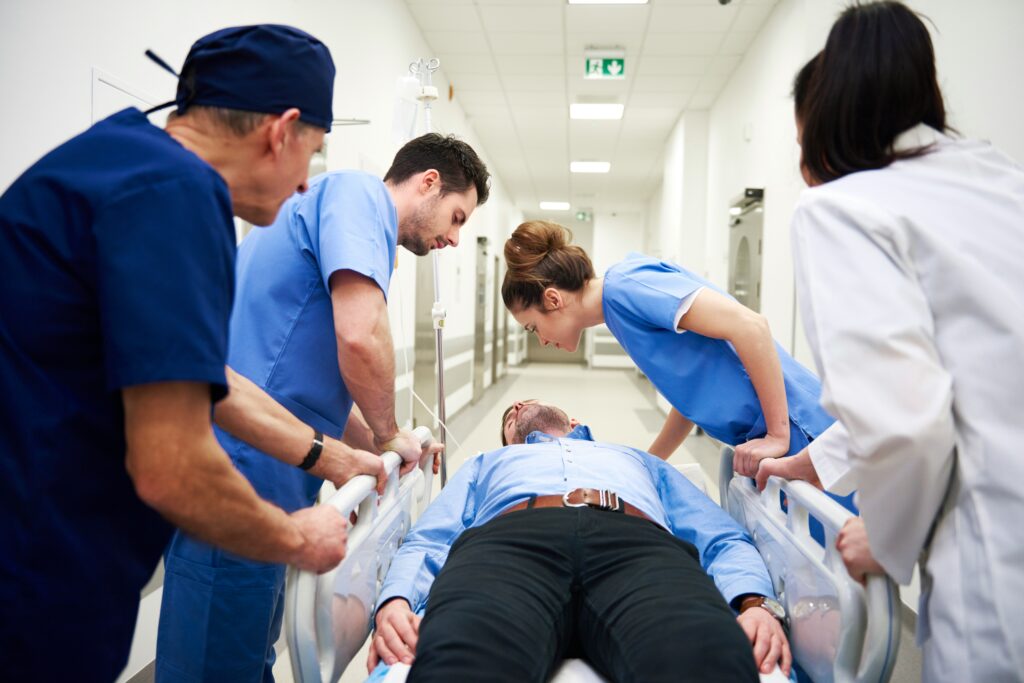
Emergency medical care plays a vital role in protecting people during sudden illness, serious injury, and other life-threatening situations. Although emergencies can happen without warning, communities can prepare by understanding how emergency services work and how individuals should respond. Moreover, basic knowledge can reduce confusion, improve communication, and help medical professionals provide care more efficiently when every moment matters.
Recognizing When an Emergency Requires Immediate Care
Some medical problems clearly require emergency attention. For example, severe chest pain, difficulty breathing, uncontrolled bleeding, loss of consciousness, major burns, serious injuries, seizures, and signs of stroke may require immediate medical help. Therefore, people should learn common warning signs instead of waiting for symptoms to become more severe.
However, not every health problem requires an emergency department. Minor cuts, mild cold symptoms, routine infections, and other non-life-threatening concerns may be suitable for primary or urgent care. Still, symptoms can change quickly. As a result, people should seek professional guidance when they cannot determine the seriousness of a medical condition.
Understanding the Role of Emergency Medical Services
Emergency medical services provide important care before a patient reaches a hospital. Paramedics and emergency medical technicians assess patients, provide appropriate treatment, and transport them when necessary. In addition, they communicate essential information to hospital teams so medical professionals can prepare for the patient’s arrival.
Communities benefit when residents understand how to communicate with emergency dispatchers. For instance, callers should clearly explain the patient’s condition and provide accurate location details. They should also follow the dispatcher’s instructions while waiting for responders. Consequently, clear communication can help emergency teams understand the situation before they arrive.
Learning Basic First Aid and CPR
Basic first aid knowledge can help community members respond during the first few minutes of an emergency. For example, people can learn how to manage bleeding, respond to burns, assist someone who is choking, and protect an injured person from further harm. Additionally, first aid training can teach people what they should avoid doing while waiting for professional care.
CPR training can also prepare people to respond to cardiac emergencies. Furthermore, learning how to use an automated external defibrillator can provide another important skill. Schools, workplaces, community centers, and local organizations can encourage training so more residents feel prepared to act while emergency professionals are on the way.
Preparing Important Medical Information
During an emergency, patients may struggle to communicate their medical history. Therefore, keeping essential information available can help medical professionals make informed decisions. People can maintain an updated record of medications, allergies, medical conditions, emergency contacts, and other important health information.
Families should also consider how they will access this information quickly. For example, they may keep a medical information card in a wallet or store important details in an accessible place at home. In addition, caregivers should know where to find relevant records for children, older adults, and family members who may need extra assistance.
Creating a Community Emergency Plan
Strong emergency preparation extends beyond individual households. Communities can identify hospitals, emergency departments, evacuation routes, shelters, and other important resources before a crisis occurs. Moreover, community leaders can share reliable information about local emergency procedures and encourage residents to develop household plans.
Preparation should also consider people who may face additional challenges during emergencies. For instance, older adults, people with disabilities, children, and residents with limited transportation may need additional support. Therefore, community plans should address communication, transportation, accessibility, and other practical needs before an emergency creates pressure.
Keeping Emergency Routes Clear
Emergency vehicles need safe and efficient access to homes, businesses, schools, and public spaces. Therefore, drivers should understand local rules for yielding to ambulances and other emergency vehicles. Communities should also avoid blocking entrances, access roads, fire lanes, and other areas that responders may need during an emergency.
Likewise, clear property information can help responders locate patients more quickly. Homes and buildings should display visible address numbers when possible. In addition, property owners should keep entrances reasonably accessible. These simple actions can reduce unnecessary obstacles when emergency medical teams need to reach someone quickly.
Supporting Emergency Preparedness at Home
Every household can take practical steps to prepare for unexpected medical situations. For example, families can keep a well-stocked first aid kit and regularly check its supplies. They can also teach household members how to contact emergency services and provide accurate information about their location.
Additionally, families can discuss what to do if an emergency happens when people are separated. Parents can teach children how to contact a trusted adult, while caregivers can create plans for relatives who need assistance. As a result, preparation can help household members respond with greater clarity during stressful situations.
Building a More Prepared Community
Emergency medical care works best when professional services and community preparedness support each other. Although residents do not replace trained medical professionals, they can recognize serious warning signs, contact emergency services quickly, provide appropriate basic assistance, and share useful information. Therefore, public education remains an important part of community safety.
Ultimately, emergency preparedness depends on knowledge, planning, and cooperation. Communities that promote first aid education, clear emergency communication, accessible medical information, and practical household planning can respond more effectively when unexpected events occur. Most importantly, learning these skills before an emergency gives people a stronger foundation for making responsible decisions when timely action matters.