From Incoming Alert to On-Site Action: A Response Timeline


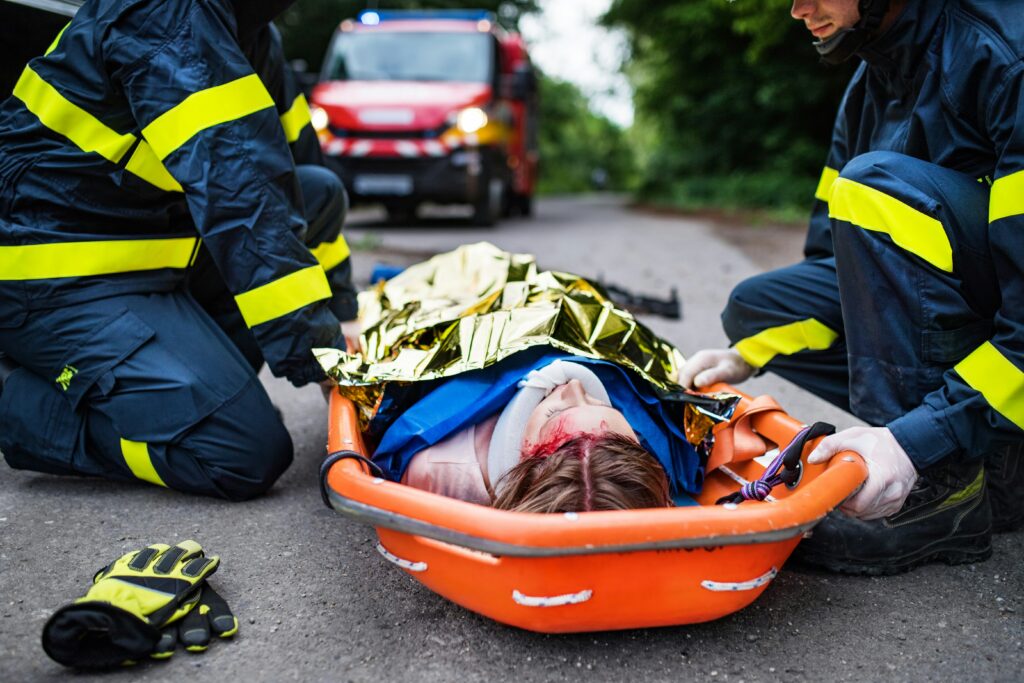
Every emergency begins with uncertainty. Someone notices danger, calls for help, and hopes that skilled workers will arrive soon. However, emergency response involves much more than sending a vehicle to a location. Each stage requires clear communication, fast decisions, and strong teamwork. A well-planned response timeline helps emergency crews move from the first alert to safe action at the scene. Moreover, dispatchers, paramedics, firefighters, and police officers must work together to protect lives. Understanding this process shows how careful planning supports emergency services and improves public safety during critical events.
Understanding the Initial Emergency Alert
The emergency response process begins when someone reports an urgent situation. Call takers gather key details, such as the location, type of danger, and how many people may need help. They also ask about injuries, threats, and nearby hazards. As a result, emergency teams receive information that helps them prepare before arrival. Clear details can reduce confusion and support faster decisions.
However, callers may feel scared, confused, or unable to explain the situation. Therefore, trained call takers use calm voices and direct questions to collect useful facts. They may also give basic safety guidance while help is on the way. This early communication plays an important role in the overall response timeline because it shapes the next steps.
How Dispatch Centers Coordinate Emergency Teams
After receiving the alert, dispatchers review the available details and choose the right resources. Depending on the situation, they may send an ambulance, fire engine, police unit, or several teams. Dispatch systems help workers identify suitable units and share important details. As a result, crews can begin their assignments with a clearer understanding of the emergency.
Meanwhile, dispatchers continue to gather and share updates. A caller may report a new injury, a spreading fire, or a location change. Dispatchers pass these details to crews so they can adjust their plans. Dispatch centers also help different agencies stay connected when an incident requires a shared response. This coordination supports safer and more organized operations.
Preparing Responders for Immediate Deployment
Emergency crews must prepare before they reach the incident site. They review the dispatch message, confirm the location, and check for known hazards. Depending on their roles, team members also ensure that medical supplies, rescue tools, and safety equipment are ready. As a result, responders can focus on urgent tasks once they arrive.
Team leaders also often assign duties while traveling. Medical workers may discuss patient care needs, while firefighters may review access routes and possible dangers. Police officers may prepare to secure an area or support traffic control. Although every incident differs, clear roles help reduce delays. Strong preparation allows response teams to work with greater confidence and control.
Managing Travel and Communication During Emergencies
Travel marks an important stage in the response timeline. Drivers must reach the location while protecting their crews and other road users. Heavy traffic, poor weather, roadwork, and narrow streets may slow progress. As a result, emergency vehicle operators follow safe driving practices and adjust routes as needed. Speed matters, but safe arrival remains essential.
At the same time, communication continues throughout the journey. Dispatchers may share new details about the scene, while responding crews report their status. In some cases, leaders request extra resources before arrival. This steady flow of information helps teams stay aware of changing conditions. Strong communication can also prevent confusion when several emergency vehicles approach the same location.
Assessing Hazards Upon Arrival at the Scene
Once responders arrive, they must assess the area before taking direct action. They look for traffic risks, fire, smoke, unsafe buildings, violent threats, or other dangers. This first review, often called a scene size-up, helps crews decide where to position vehicles and how to approach people who need assistance. This helps responders protect themselves while planning the safest way to help.
Next, team leaders review the size and needs of the incident. They may request more workers, create a safe work area, or set up a command structure. For larger events, different agencies must agree on shared goals and clear duties. As a result, each team understands its role. Careful scene assessment helps prevent new injuries and supports effective emergency action.
Turning Emergency Plans Into On-Site Action
After crews identify major hazards, they begin the tasks that fit their training and duties. Paramedics assess patients and provide urgent medical care. Firefighters may control flames, assist trapped people, or manage dangerous conditions. Police officers may protect the public, control access, or address security threats. However, every action depends on the incident’s needs and the scene’s safety.
Meanwhile, teamwork helps crews manage several tasks at once. Responders share updates, request needed equipment, and adjust their work as conditions change. For example, medical workers may need a safe path to reach patients while firefighters handle nearby hazards. This cooperation helps teams avoid delays and repeated work. As a result, the response timeline shifts from planning to direct support for affected people.
Tracking Progress and Supporting Safe Operations
Emergency response does not end when the first crew reaches the scene. Teams must track patient needs, changing hazards, available resources, and work progress. Leaders use field reports to set priorities and guide next steps. Crews may also arrange transport, request specialist support, or move people away from danger.
Clear records also support effective emergency management. Responders document key actions, important observations, and major changes during an incident. These details help other teams understand what has happened and what still needs attention. Moreover, accurate reports can support patient handoffs, later reviews, and public safety planning. Good records help maintain continuity when several groups share responsibility.