The Dedicated People Quietly Improving Community Healthcare Access


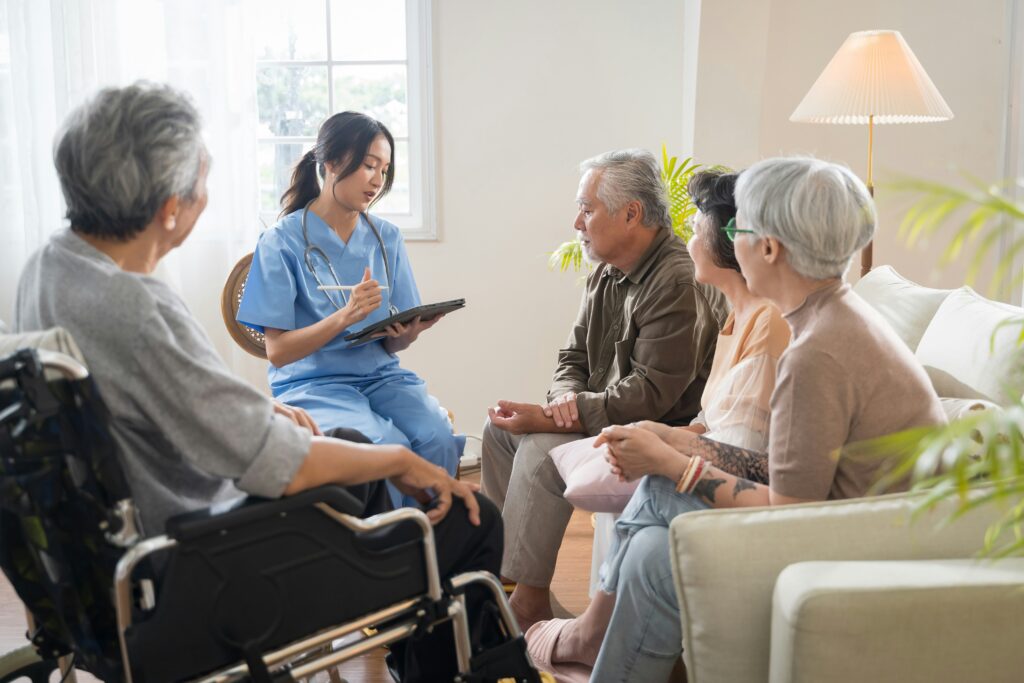
Healthcare access remains one of the most important public health concerns in the United States. Millions of people still face challenges accessing medical care due to high costs, transportation issues, provider shortages, and limited healthcare resources in local communities. While doctors and hospitals often receive the most attention, many other professionals work behind the scenes every day to help people access healthcare services and improve their quality of life.
These hidden champions include community healthcare workers, nurses, mental health counselors, nonprofit leaders, outreach specialists, mobile clinic teams, and volunteers. Their work may not always appear in headlines, yet their impact reaches families, rural communities, elderly patients, and underserved populations across the country. Through education, outreach, and personal support, these professionals continue to make healthcare more accessible and effective for millions of Americans.
Why Community Healthcare Access Matters More Than Ever
Community healthcare access directly affects the overall health and stability of local populations. When people cannot access medical services, they often delay treatment until conditions become serious. As a result, preventable illnesses can become long-term health problems that reduce quality of life and increase healthcare costs.
In many areas, especially rural and low-income communities, healthcare resources remain limited. Residents may need to travel long distances to visit a doctor or specialist. Some individuals also avoid medical care because they cannot afford insurance or treatment expenses. Therefore, strong community healthcare systems play an essential role in protecting public health and improving patient outcomes.
Community Healthcare Workers Creating Stronger Connections
Community healthcare workers help bridge the gap between healthcare providers and residents. They often guide patients through appointment scheduling, insurance paperwork, treatment instructions, and available support programs. Because of this support, patients feel more confident when navigating healthcare systems.
Many community healthcare workers also come from the same neighborhoods they serve. As a result, they understand local cultures, challenges, and concerns better than outside providers. Their strong community relationships help build trust, which encourages more individuals to seek medical care and participate in preventive health programs.
Nurses Providing More Than Medical Care
Nurses continue to be among the most valuable healthcare professionals in communities. Although they provide medical treatment and patient monitoring, their role extends far beyond clinical care. Nurses often educate patients, answer questions, and provide emotional support during stressful situations.
In underserved communities, nurses frequently assist patients who face transportation challenges, financial hardship, or language barriers. They help explain treatment plans in simple terms and ensure patients understand medication instructions and follow-up care. Because of their dedication and compassion, nurses improve healthcare experiences and support better long-term outcomes.
Mobile Healthcare Clinics Reaching Underserved Areas
Mobile healthcare clinics continue changing how communities access healthcare services. These clinics travel directly into neighborhoods and rural regions where hospitals and medical facilities may not be easily accessible. Consequently, patients can receive care closer to home without spending hours traveling for treatment.
Healthcare professionals working in mobile clinics provide screenings, vaccinations, wellness exams, and preventive care services. In addition, they educate residents about nutrition, disease prevention, and healthy living habits. Mobile healthcare services improve early diagnosis and encourage more people to seek regular medical attention before serious health problems develop.
Mental Health Professionals Supporting Emotional Wellness
Mental health support has become increasingly important within community healthcare systems. Many individuals struggle with stress, anxiety, depression, and emotional trauma, yet they may not have access to proper counseling services. Community mental health professionals help address these challenges through local outreach and support programs.
These professionals create safe environments where individuals feel comfortable discussing emotional concerns. Furthermore, they help reduce stigma surrounding mental health treatment by promoting awareness and education. Through counseling services and support groups, mental health workers strengthen both emotional wellness and overall community health.
Nonprofit Organizations Expanding Healthcare Opportunities
Nonprofit organizations continue playing a major role in improving healthcare access across the United States. Many nonprofit clinics provide affordable or free healthcare services for uninsured and underinsured individuals who might otherwise avoid treatment due to financial concerns.
Beyond direct medical care, nonprofits also organize wellness workshops, food assistance programs, vaccination drives, and educational outreach events. Additionally, they often partner with healthcare providers and local volunteers to expand healthcare support systems within underserved communities. Their work helps reduce healthcare inequalities while improving overall public health.
Healthcare Educators Promoting Preventive Care
Preventive healthcare remains one of the most effective ways to improve long-term wellness and reduce medical costs. Healthcare educators teach communities about healthy lifestyle habits, disease prevention, vaccinations, and regular health screenings. As a result of this education, residents become more proactive about their health.
Community wellness programs often focus on conditions such as diabetes, obesity, and heart disease, which affect millions of Americans every year. Healthcare educators help individuals understand how proper nutrition, exercise, and preventive care can lower health risks. As a result, communities experience better health outcomes and fewer preventable illnesses.
Transportation Support Improving Healthcare Access
Transportation challenges continue to prevent many individuals from receiving consistent medical care. Elderly patients, people with disabilities, and rural residents often struggle to attend appointments because reliable transportation options remain limited.
Volunteer drivers, healthcare shuttles, and community transportation programs help solve this important problem. These services ensure patients can safely reach clinics, hospitals, and treatment centers for ongoing care. Consequently, transportation support improves appointment attendance, treatment consistency, and overall patient well-being.
Telehealth Making Healthcare More Convenient
Telehealth services have transformed access to modern healthcare. Patients can now communicate with healthcare providers through virtual appointments using phones, tablets, or computers. This technology has become especially valuable for rural populations and individuals with mobility limitations.
Healthcare professionals use telehealth for follow-up visits, prescription management, mental health counseling, and chronic disease monitoring. Moreover, telehealth reduces travel time and allows providers to reach larger patient populations more efficiently. As digital healthcare technology continues improving, telehealth will likely remain a major part of future healthcare systems.